Skip the telephone maze and contract confusion that drain startup budgets. Digital energy platforms deliver instant rate comparisons that traditional brokers never reveal.
Most startups waste thousands on energy bills because they accept whatever rates come their way. The old game of endless phone negotiations with pushy sales reps and buried fees in 40-page contracts is finally over. Smart entrepreneurs now bypass traditional brokers entirely, using digital platforms that expose real-time pricing and consumption data that energy companies prefer to keep hidden. Whilst your competitors burn cash on inflated rates, you could be securing bottom-dollar pricing in minutes. The energy procurement revolution has arrived, and it’s designed specifically for businesses that refuse to overpay.
Why Startups Overpay for Business Energy
Startups and small businesses consistently pay more for energy than necessary, often without realising the financial drain on their operating budgets. Many remain locked into outdated contracts or auto-rollover arrangements that default to higher variable rates upon expiration.
Professional energy audits reveal wasteful practices—standby equipment, inefficient lighting, and poor insulation—that inflate monthly costs unnecessarily. Suppliers rely on customer inaction to maintain inflated profit margins without proactive intervention from business owners. As businesses increasingly view energy as a competitive asset, understanding consumption patterns becomes critical to operational efficiency.
Contract compliance issues compound the problem. Businesses missing renewal windows lose eligibility for better rates and overpayment refunds. Fixed tariff switching can reduce bills by up to 25% depending on usage and region. Enerbiz helps SMEs compare over 20 UK suppliers to ensure competitive pricing and transparent terms without hidden fees. Standardisation of consumption data through energy data capture enables fair comparisons and reveals hidden cost drivers across suppliers. An automated energy quote engine minimises human error and delivers instant quotes directly to your screen for faster decision-making. End-to-end switching management ensures no supply interruptions during the transition to a new supplier. Commission disclosure during the switching process guarantees full transparency on broker fees, so you understand the true cost of your energy deal.
Lack of market comparison shopping means startups forgo competitive alternatives that emerge as wholesale costs and environmental charges fluctuate.
Energy literacy gaps amplify these challenges. Without comprehension of standing charges, peak hour premiums, and time-of-use tariff options, startups accept unfavourable terms.
Regular energy audits and supplier comparisons identify measurable savings opportunities that directly improve profitability.
What Makes Startup Energy Plans Different?
Business energy plans incorporate customisation options unavailable to residential customers. These plans account for higher, more variable energy consumption typical of business operations.
A key structural difference involves demand charges. Unlike household plans, commercial contracts calculate charges based on the highest 15-minute usage during the billing period. This demand component considerably impacts total energy costs. Fixed-rate protection helps startups maintain budget predictability by locking in consistent energy costs regardless of market fluctuations.
Commercial contracts charge based on highest 15-minute usage, making demand charges a critical cost factor unlike residential plans.
Startups benefit from flexible contract terms ranging from 12 to 36 months. Shorter-term options provide flexibility for businesses with uncertain growth trajectories, whilst longer contracts typically offer lower rates in exchange for extended commitment periods. Commercial plans also offer more customisation compared to residential plans, with benefits such as tailored consulting services and detailed energy usage insights. Quarterly reviews and ongoing monitoring ensure that energy consumption patterns are tracked and optimised throughout the contract period. Modern aggregator engines can scan the market for instant supplier comparisons to identify the best available rates. A data-driven approach to energy tendering can further enhance value by structuring your consumption data strategically during market negotiations.
Additional customisation options include fixed-rate plans for budget predictability, time-of-use selections for off-peak cost optimisation, and renewable energy choices aligned with sustainability goals.
Eligibility typically begins at approximately 30,000 kWh annually.
Modern energy platforms for startups operate through interconnected digital systems that simplify procurement, improve consumption, and connect businesses with suppliers in real time.
These startup energy innovations optimise the supplier selection process through four key mechanisms:
- AI-powered analysis evaluates energy consumption patterns and calculates potential savings without expensive consulting fees.
- Digital marketplaces enable competitive bidding, allowing startups to request proposals and compare multiple supplier offers transparently.
- Real-time monitoring systems track energy usage and performance metrics to confirm contracts deliver promised savings.
- Automated switching engines complete supplier changes entirely online, eliminating phone calls and paperwork delays.
Approximately 2,500 energy developers operate on marketplace platforms, demonstrating platform scalability.
Businesses can shift loads to low-price periods and reduce grid dependence by up to 50% through smart metre integration.
This technology-driven model reduces procurement costs whilst maintaining pricing transparency, allowing startups to secure competitive rates quickly.
Compare Rates and Choose Your Plan in Minutes
Whilst technology platforms simplify the supplier selection process, the real value emerges when businesses can actually compare multiple offers side by side and make a decision without delay.
Businesses enter their address and metre details into comparison tools and receive quotes from up to 18 suppliers instantly. Side-by-side layouts display unit rates, standing charges, estimated monthly costs, and contract end dates for direct analysis.
This comparison benefits start-ups by eliminating time spent contacting suppliers individually. Quick decisions become possible when all information appears in plain-English summaries rather than industry jargon.
Thorough reports organise data clearly, allowing accurate cost assessment without hidden charges. Start-ups complete the entire process in minutes, then execute their choice immediately through the platform without phone calls or callbacks required.
How Startups Lock in Low Rates Without Calls
Startups can secure competitive energy rates through strategic approaches that bypass traditional phone-based negotiations entirely. Multiple pathways exist to achieve favourable pricing without direct supplier contact.
- Demand-based pricing optimisation analyses 12 months of historical usage data to identify peak and off-peak consumption patterns, enabling load profile assessment for customised contract recommendations.
- Request for Proposal (RFP) strategies engage multiple suppliers simultaneously through online platforms, establishing baseline pricing through energy efficiency comparisons.
- Group purchasing programmes through industry associations aggregate demand across multiple businesses, increasing collective bargaining power for cost analysis advantages.
- Digital broker platforms facilitate multi-supplier comparison and contract negotiation without individual phone calls to each provider.
Online RFP platforms and energy buying cooperatives enable startups to compare fixed rates, variable rates, contract flexibility, and sustainability options across providers.
This approach reduces cost of sale while providing transparent pricing information upfront.
Switch Your Supplier Entirely Online
Enerbiz’s digital platform enables startups to compare energy rates from multiple suppliers in real-time without speaking to a broker or agent.
The enrolment process requires only basic business information and recent metre readings, allowing entrepreneurs to view competitive pricing and contract terms within minutes.
Once a startup selects a preferred rate, the platform handles supplier contact and contract management automatically, completing the entire switch in as few as five days for out-of-contract businesses.
Switching business energy suppliers through Enerbiz’s digital platform eliminates the need for phone calls, broker intermediaries, or prolonged waiting periods. The enrolment process prioritises speed and autonomy, allowing business owners to complete transactions entirely online.
The digital registration process requires the following steps:
- Create an account using business registration details and contact information
- Receive login credentials via order confirmation pack after contract agreement
- Access the online portal for real-time switch status tracking
- Enable future contract management and renewal administration through account login
Upon completion of digital registration, business owners gain full account management capabilities. The platform displays contract details for verification before activation.
Metre reading data submission occurs within five days of supply start through the online account portal. This efficient approach delivers quotes in under five minutes, enabling informed decisions without human intervention.
Once a business owner submits basic information—typically just a postcode and recent energy bill details—the platform’s smart data technology automatically retrieves current supplier and consumption data from industry records.
The comparison engine processes this information in real time analytics, generating multiple supplier quotes within 60 seconds.
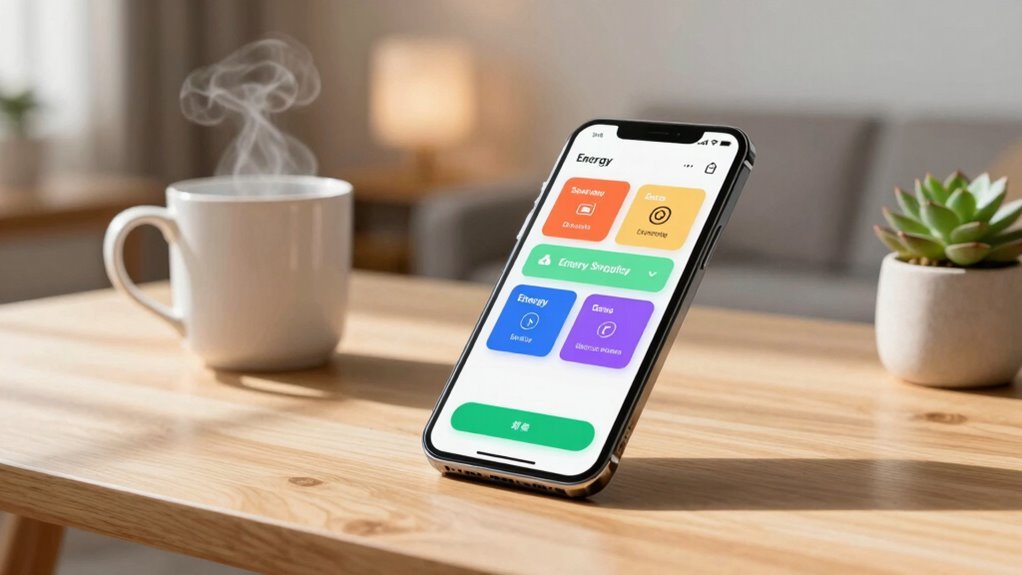
The system displays quotes side-by-side, showing unit rates, standing charges, and estimated annual costs.
Businesses can review energy forecasts based on their consumption patterns and compare alternatives from major providers including British Gas, OVO Energy, Eon, and ScottishPower, alongside specialist suppliers.
Half-hourly metering compatibility and multi-site business support are built into the structure.
Users select preferred quotes immediately without contacting individual suppliers, completing the entire comparison and switching process online.
Track Real-Time Usage and Spot Waste
Real-time energy monitoring systems allow startups to observe consumption patterns instantly through cloud-based dashboards, revealing which equipment and departments consume the most power.
Mechanised alerts flag unusual spikes and inefficiencies across circuits and appliances, enabling facility managers to identify waste before it accumulates on monthly bills.
Dashboard Monitoring And Alerts
After a business switches its energy supplier, the work of cost control has only just begun. Dashboard monitoring and alert customisation enable continuous oversight of consumption patterns and spending.
Smart dashboards display critical metrics including:
- Real-time energy consumption tracked hourly across individual circuits and devices
- Cost analysis tabs showing spending patterns and optimisation opportunities
- Customisable alerts triggered when usage breaches preset thresholds
- Month-to-month comparisons revealing consumption trends and efficiency gains
Dashboard optimisation converts raw data into actionable observations. Businesses monitor lighting, HVAC, compressors, and pumps simultaneously.
Alert parameters focus on conditions with genuine cost or comfort impact, such as unexpected after-hours consumption. Monthly alert reviews retire unused notifications and tune thresholds for accuracy.
This visibility enables same-day response to demand spikes, preventing waste and identifying potential maintenance issues before they escalate into costly problems.
Identify Peak Consumption Patterns
Energy consumption across a business facility fluctuates dramatically throughout each day, week, and season, creating measurable spikes in demand that directly impact monthly bills.
Detailed energy usage reports reveal consumption trends by organising electricity data into monthly or quarterly breakdowns for pattern analysis.
Peak load periods occur when power consumption reaches its highest point, requiring utility providers to invest in additional infrastructure capacity.
Peak demand charges substantially exceed standard electricity rates, with costs compounding when business peaks coincide with grid-wide demand spikes.
Identifying high-usage periods requires careful analysis of consumption spikes corresponding to specific times of day or seasons.
Unusual spikes outside normal operating hours often indicate inefficiencies such as equipment running unnecessarily or lighting systems remaining active after business closure.
Furthermore, systematic consumption pattern analysis enables businesses to predict future usage trends and allocate resources strategically for improved efficiency.
Mechanised systems now detect and eliminate energy waste by monitoring facility operations moment-to-moment, identifying inefficiencies before they accumulate into significant cost increases.
Smart sensors and artificial intelligence work together to analyse real-time data across HVAC systems, lighting, and equipment usage patterns.
Advanced fault detection technology delivers measurable results:
- Energy savings averaging 24 per cent through automated diagnostics identifying root-cause hardware and software faults
- Peak power reductions of 30 per cent via coordinated equipment scheduling and load shifting
- Real-time monitoring that prevents energy consumption drift before optimisation occurs
- Installation payback periods under three years for most digitalisation implementations
These energy efficiency tools eliminate manual intervention requirements.
Facility managers receive automatic alerts and dashboard reports instead of manually adjusting controls continuously.
Smaller buildings benefit from edge AI platforms requiring minimal installation costs whilst maintaining full cybersecurity protections against unauthorised system access.
Your Lowest Rate Is Just Five Minutes Away
How quickly can a business secure better energy rates? Modern digital platforms deliver competitive quotes in under five minutes, enabling startups to compare supplier competition without lengthy applications or phone calls.
Market competition creates genuine energy savings opportunities. Businesses can access multiple competitive electricity suppliers simultaneously, bypassing utility default rates that often carry premium pricing.
The process eliminates traditional friction points: no broker calls, no extended sales cycles, no hidden fees.
Digital quote systems analyse business consumption patterns instantly and match them against available suppliers in the service territory. Results display clearly, showing exact supply rates, delivery charges, and total projected costs side by side.
Startups benefit from supplier transparency. Rate comparisons reveal competitive options within minutes, allowing informed decisions immediately.
This speed advantage gives emerging businesses the cost control mechanisms previously available only to larger enterprises with dedicated procurement resources.