Just days after our alert on rising TNUoS charges, the energy regulator Ofgem has confirmed a massive £28 billion investment package for the UK’s energy networks.
The announcement, made this week, sets the spending framework for the next five years (starting April 2026). While the headlines focus on household bills, this infrastructure overhaul has significant implications for businesses, particularly concerning the “non-commodity” costs on your invoices.
At EnerBiz, we believe in cutting through the noise. Here is the breakdown of the £28bn plan and a realistic look at how it impacts your bottom line.
The Headline Figures
Ofgem has approved a five-year spending plan designed to modernize the grid, improve energy security, and pave the way for Net Zero. The funding is split remarkably heavily between maintaining current systems and building new ones:
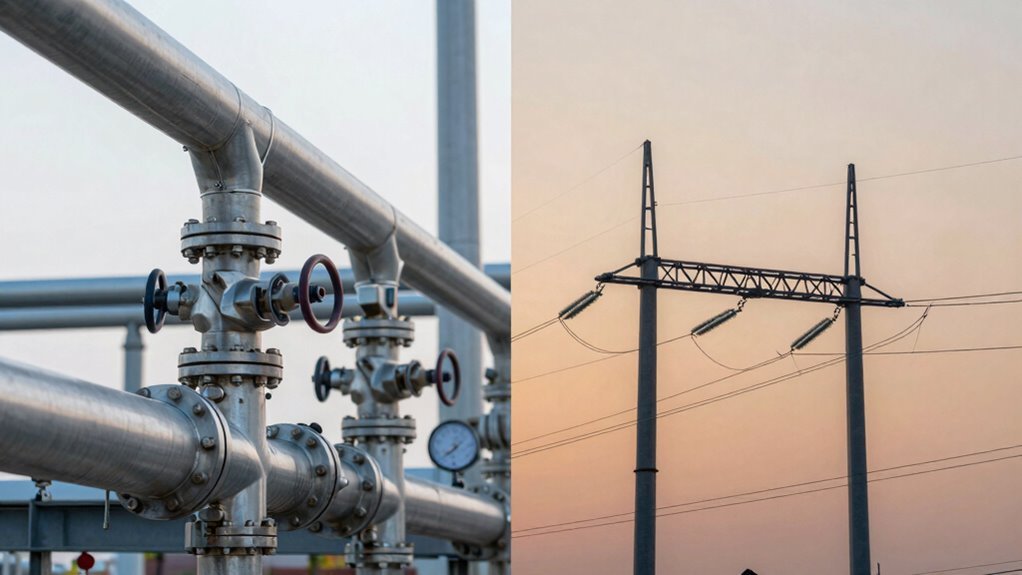
- £17.8 billion for the gas network (pipeline replacement, cyber security).
- £10.3 billion for the electricity network (new transmission lines, reinforcing the grid).
The Immediate Cost Impact
This investment is not free. The costs will be recovered through network charges (like TNUoS and DUoS) which are added to every energy bill.
Ofgem estimates that this work will add roughly £108 to annual energy bills by 2031.
- Electricity impact: ~£60 rise
- Gas impact: ~£48 rise
Crucially for budgeting, this isn’t a slow creep. Jonathan Brearley, Ofgem’s CEO, noted that we could see an immediate jump of 2-3% on bills from this April, with costs rising in a “straight line” thereafter.
The “Savings” Debate: Will It Balance Out?
Regulators are keen to point out that while the network cost is rising, the wholesale cost should fall. Ofgem argues that by 2031, this investment will deliver savings of roughly £80 per year, resulting in a “net” bill rise of only £30.
Why? (The EnerBiz View)
The logic is based on efficiency. Currently, the UK grid is so congested that National Grid ESO often has to pay wind farms to switch off because there aren’t enough cables to transmit the power they generate. This “curtailment” costs billpayers billions.
- The Theory: Better cables = less wasted wind power = cheaper wholesale electricity.
- The Reality: While wholesale costs might drop, the fixed network charges on your bill are guaranteed to rise. For businesses with fixed contracts, the “wholesale savings” won’t appear until you renew, but if you are on a pass-through contract, the network hikes will hit immediately.
Why Is This Happening Now?
The UK’s infrastructure is aging and under-capacity.
- Wasted Green Energy: As mentioned, we currently pay wind farms to stop generating when it’s windy because the wires can’t handle the load. Ofgem’s plan aims to fix this inefficiency.
- Energy Security: The heavy investment in the gas network (£17.8bn) acknowledges that despite the green transition, gas remains a critical backup for UK energy security “for decades to come,” according to National Gas CEO Jon Butterworth.
What Does This Mean for SMEs?
While the news reports cite “household” figures, these infrastructure costs are shared by all grid users.
If you read our SME Guide to 2026 Network Charges, you already know that “Demand Residual” charges are set to double. This new £28bn announcement cements the fact that the fixed portion of your energy bill is increasing.
Action Plan for 2026
- Budget for Rises: Expect your standing charges and unit rates to reflect these infrastructure costs from April 2026.
- Audit Your Capacity: With higher network fees, paying for unused kVA capacity is throwing money away.
- Look Long-Term: The promise of “cheaper wholesale energy” is years away (2031). In the short term, protection against rising fixed costs is key.
Summary
The grid needs an upgrade, and the bill has arrived.
- The News: £28bn investment approved for 2026–2031.
- The Cost: Immediate bill uplifts expected from April, totaling ~£108/yr by 2031.
- The Advice: Do not rely on projected “savings” to lower your renewal quotes.
Confused by the changing regulations? Our team monitors these shifts daily so you don’t have to. Contact EnerBiz for a no-obligation contract review.